Archives
- 2026-10
- 2026-09
- 2026-08
- 2026-07
- 2026-06
- 2026-05
- 2026-04
- 2026-03
- 2026-02
- 2026-01
- 2025-12
- 2025-11
- 2025-10
- 2025-09
- 2025-03
- 2025-02
- 2025-01
- 2024-12
- 2024-11
- 2024-10
- 2024-09
- 2024-08
- 2024-07
- 2024-06
- 2024-05
- 2024-04
- 2024-03
- 2024-02
- 2024-01
- 2023-12
- 2023-11
- 2023-10
- 2023-09
- 2023-08
- 2023-07
- 2023-06
- 2023-05
- 2023-04
- 2023-03
- 2023-02
- 2023-01
- 2022-12
- 2022-11
- 2022-10
- 2022-09
- 2022-08
- 2022-07
- 2022-06
- 2022-05
- 2022-04
- 2022-03
- 2022-02
- 2022-01
-
Galanin mediates its activity by binding
2022-07-04
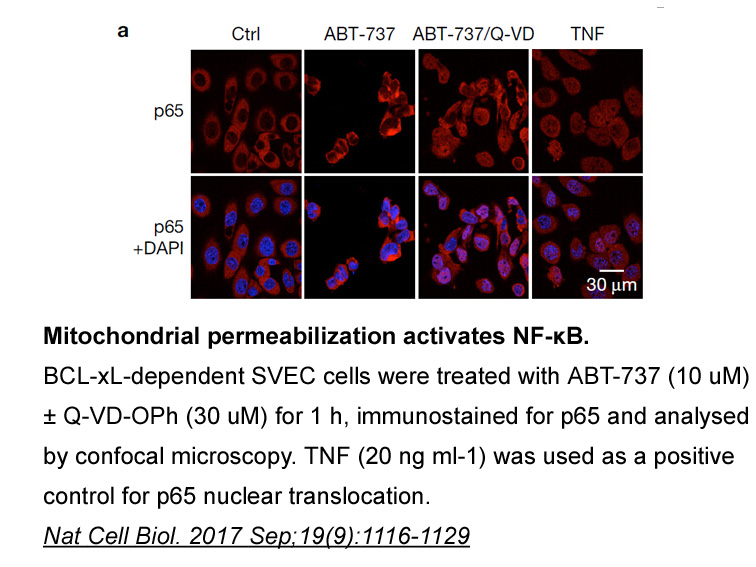
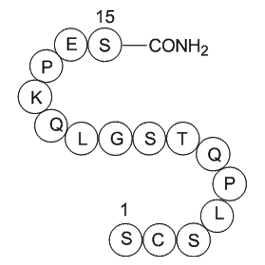
Galanin mediates its activity by binding to three G-protein coupled receptor subtypes (designated GAL1-GAL3). Since GAL3 mRNA is found mainly in regions of the mesolimbic dopamine system, such as the ventral tegmental area, dorsal raphe nucleus, LC, amygdala, hippocampus, thalamus, hypothalamus, NAc
-
A general synthesis of the tetrazole is shown
2022-07-02
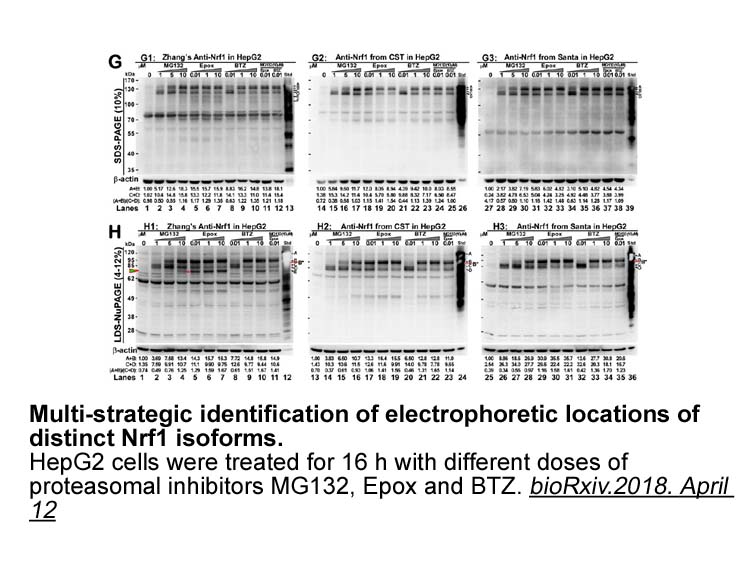
A general synthesis of the tetrazole is shown in . First, a magnesium-halogen exchange reaction quenched with DMF afforded benzo[]thiophene-5-carbaldehyde , which was further decorated with a bromine at the 3-position (). A Suzuki reaction with -tolylboronic HO-3867 followed by reduction of the al
-
br Acknowledgments We apologize to the
2022-07-02
Acknowledgments We apologize to the researchers who were not referenced due to space limitations. We thank Dave Primm (Department of Surgery, University of Texas Southwestern Medical Center) for his critical reading of the manuscript. This work was supported by grants from the US National Institu
-
3576 One of the main mechanisms enabling
2022-07-02
One of the main mechanisms enabling recycling of intracellular redox-active iron is lysosomal degradation of ferritin in the process of autophagy, often referred to as ‘ferritinophagy’ [128]. Autophagy was suggested to contribute to ferroptotic cell death by promoting the degradation of iron storage
-
Apoptosis via Fas FasL system has been evidenced
2022-07-02
Apoptosis via Fas/FasL system has been evidenced to play a role in the pathogenesis of many diseases [26], [27], [28], [29], [30], [31], [32], [33], [34]. Along with these, Fas/FasL system has an important role in progressive renal disease and organ rejection in renal, cardiac and liver transplanta
-
This profound cell type specificity of G
2022-07-02
This profound cell-type specificity of G9a/GLP complex modulation of neuronal plasticity is accentuated by studies employing genetic ablation of G9a in dopamine 1 receptor (Drd1)- and dopamine 2 receptor (Drd2)-expressing medium spiny neurons (MSNs) in the nucleus accumbens (NAc). Conditional G9a kn
-
The strict control of Spi expression
2022-07-02
The strict control of Spi1 expression is critical for proper myeloid cell fate determination, and genetic or epigenetic changes in the Spi1 gene frequently contribute to the leukemogenesis in mice and human. It is has been shown that Spi1 expression is frequently downregulated in human AML patients
-
Starting from the hypothesis that the linker portion of
2022-07-01
Starting from the hypothesis that the linker portion of the inhibitor molecules does not necessarily require the presence of an alcohol/ether or a carbonyl group, the same research group performed another scaffold hopping analysis, obtaining 1500 new compounds as potentially active HO-1 inhibitors [
-
br Hepatitis C virus HCV infection is
2022-07-01

Hepatitis C virus (HCV) infection is a major cause of chronic liver disease that can lead to cirrhosis and hepatocellular carcinoma. It is estimated that nearly 200 million individuals worldwide are currently infected with HCV and it is the leading cause of liver transplants. The current standard
-
Haploid germ cell specific nuclear protein kinase Haspin pro
2022-07-01
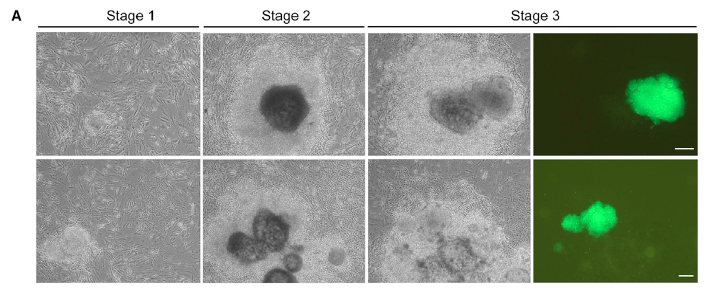
Haploid germ cell-specific nuclear protein kinase (Haspin) proteins are divergent members of the eukaryotic protein kinase family. Haspin (encoded by germ cell-specific gene 2: Gsg2) is found in many eukaryotic lineages (animal, fungi, and plants), and the protein and its mRNA were initially detecte
-
In the present study we focused
2022-07-01
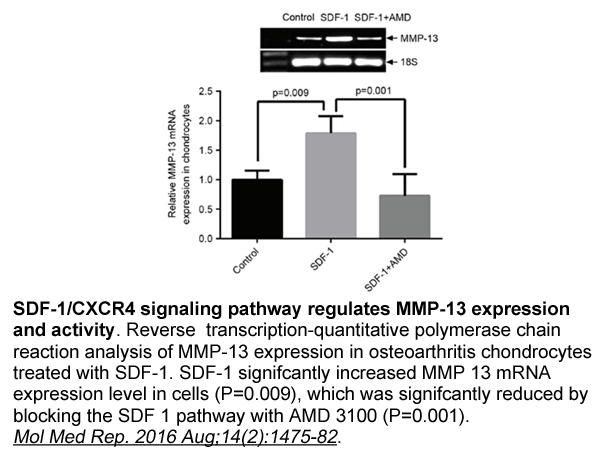
In the present study, we focused on a role of the C-terminal segment in GCAP2 using two chimeric proteins, in which the C-terminal segment of GCAP2 was either replaced by the corresponding sequence of recoverin (chimera GR) or transferred into recoverin (chimera RG). We have monitored Ca-dependent c
-
br Introduction Coat colors are determined by
2022-07-01
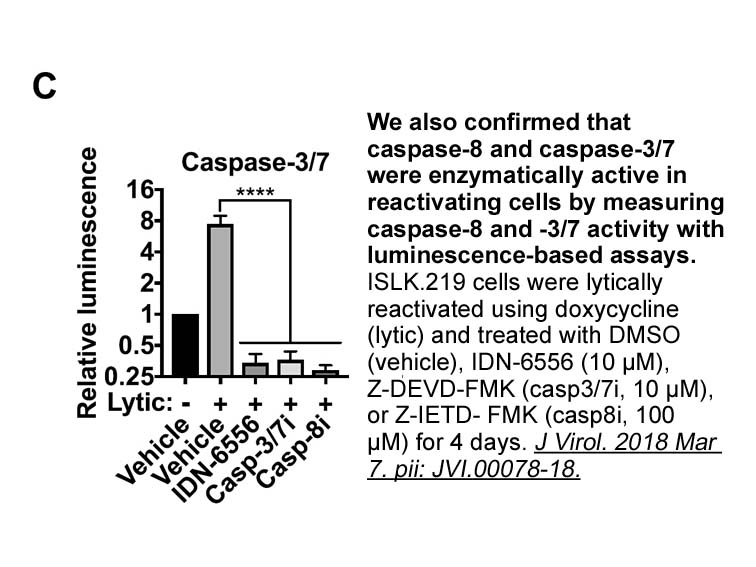
Introduction Coat colors are determined by both genetics and environment, especially genetics. The phenotype of coat color of animals depends on two types of melanin, black to brown eumelanin and yellow to reddish brown pheomelanin produced in mammalian melanocyte (Ito et al., 2000; Ito and Waka
-
br Acknowledgements br Introduction Type diabetes is
2022-07-01
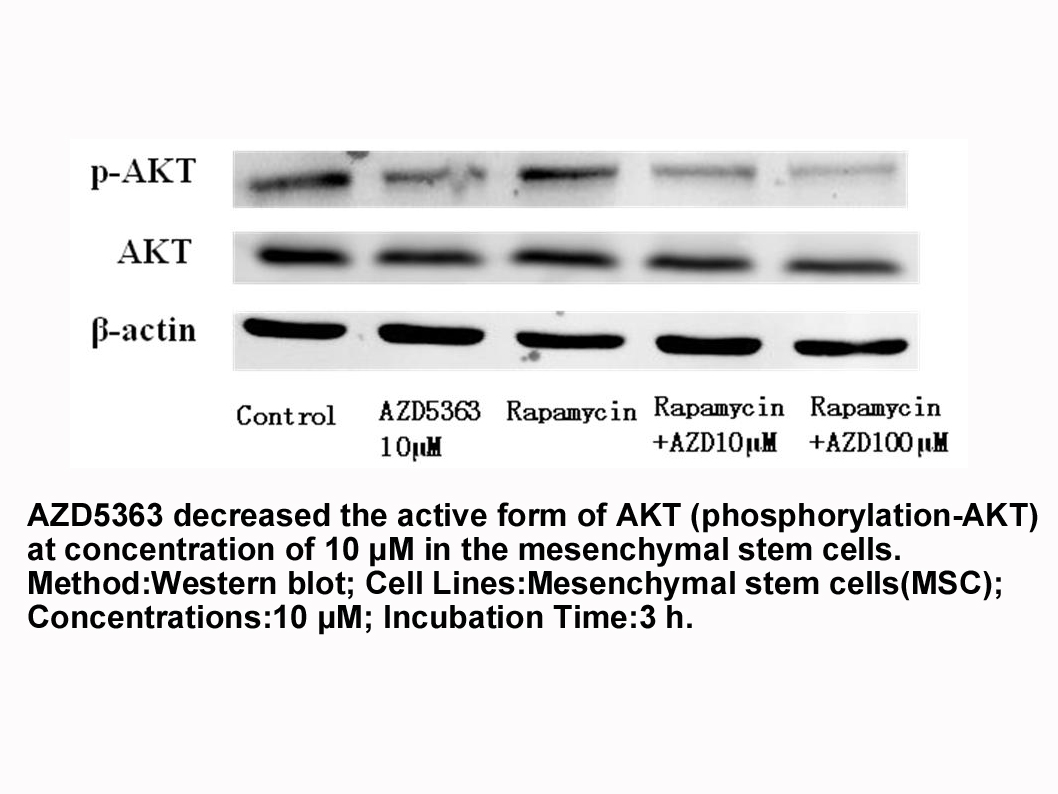
Acknowledgements Introduction Type 2 diabetes is a progressive metabolic disorder which is characterised by chronic hyperglycaemia due to relative insulin deficiency, insulin resistance and increased hepatic glucose production [1]. The metabolism of glucose by glycolysis increases the ATP:ADP
-
We hypothesized that modulating redox stress by altering
2022-07-01
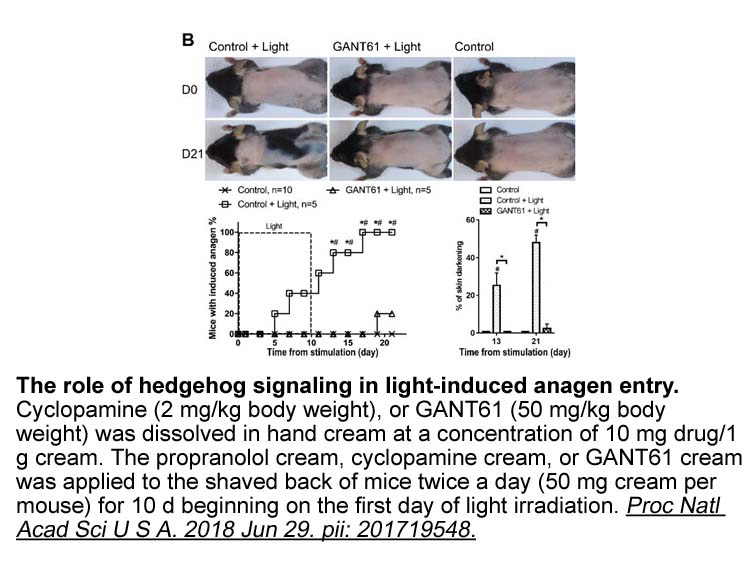
We hypothesized that modulating redox stress by altering endogenous antioxidant content (overexpression of catalase) and/or via dietary intervention will improve energy metabolism, adipose tissue function, and overall glucose and lipid homeostasis. To better understand the interplay between redox re
-
Interestingly when glucose is deleted in PCa cells
2022-07-01
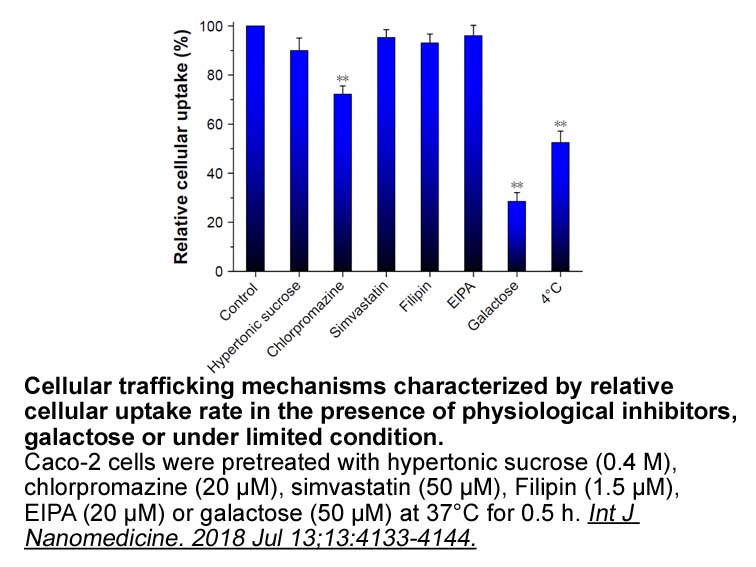
Interestingly, when glucose is deleted in PCa cells, GLUT1 is increased. Also, AR is almost entirely located in the nucleus, correlating with the increment in GLUT1 levels. These results are in agreement with those reported by Vaz et al. [16], They described an increase in GLUT1 after DHT stimulatio
8582 records 466/573 page Previous Next First page 上5页 466467468469470 下5页 Last page