Archives
- 2026-10
- 2026-09
- 2026-08
- 2026-07
- 2026-06
- 2026-05
- 2026-04
- 2026-03
- 2026-02
- 2026-01
- 2025-12
- 2025-11
- 2025-10
- 2025-09
- 2025-03
- 2025-02
- 2025-01
- 2024-12
- 2024-11
- 2024-10
- 2024-09
- 2024-08
- 2024-07
- 2024-06
- 2024-05
- 2024-04
- 2024-03
- 2024-02
- 2024-01
- 2023-12
- 2023-11
- 2023-10
- 2023-09
- 2023-08
- 2023-07
- 2023-06
- 2023-05
- 2023-04
- 2023-03
- 2023-02
- 2023-01
- 2022-12
- 2022-11
- 2022-10
- 2022-09
- 2022-08
- 2022-07
- 2022-06
- 2022-05
- 2022-04
- 2022-03
- 2022-02
- 2022-01
Based on the improved characteristics of the mutant ECDs
2024-08-16
Based on the improved characteristics of the mutant ECDs we proceeded to crystallization trials, starting with the β1-BPloop as the most promising. We obtained rod shaped hexagonal crystals reproducibly, but with moderate diffraction ability (Fig. 5). Furthermore, the crystals were sensitive in moun
Osteocytes the most abundant cells in an adult skeleton
2024-08-16

Osteocytes, the most abundant cells in an adult skeleton, are essentially mature osteoblasts that are surrounded by the products they secreted (Noble and Reeve, 2000). Osteocytes serve as mechanosensors that direct bone remodeling and that regulate the activities of osteoblasts and osteoclasts (Bon
br Dual role of autophagy in human diseases
2024-08-15

Dual role of autophagy in human diseases Emerging evidence suggests that autophagy serves as a double-edged sword in several human diseases, such as CNS diseases (Rubinsztein et al., 2015), arteriosclerosis (Schrijvers et al., 2011) and cancer (Ozpolat and Benbrook, 2015). Likewise, currently the
Elevated expression of Aurora A
2024-08-15

Elevated expression of Aurora-A and -B frequently detected in a wide variety of human cancers strongly indicate that high expression of these kinases play roles in the development of cancer associated phenotypes. While Aurora-A has been shown to function as an oncogene when over expressed in mammali
Phagosomes acquire some hydrolases early during their journe
2024-08-15
Phagosomes acquire some hydrolases early during their journey from the cell surface to lysosomes. An example for such hydrolase is cathepsin H which is most concentrated in the early phagosome at a pH of approximately 6.3 (Claus et al., 1998), the pH optimum of enzyme activity (Schwartz and Barrett,
br Acknowledgments This work was supported by
2024-08-15
Acknowledgments This work was supported by the Swiss National Science Foundation. 15-Lipoxygenase 1 (15-LOX-1) is a nonheme, iron-containing enzyme predominantly expressed in reticulocytes, eosinophils, macrophages, mast cells, and bronchial epithelial cells . 15-LOX-1 is a key enzyme involved
The compounds containing beryllium act as strong Lewis acids
2024-08-15
The compounds containing beryllium act as strong Lewis acids because of electron deficiency of the Be Imiquimod []. Interactions of X-Be-Y compounds with different Lewis bases have been studied by Yanez and co-workers [], extensively. Recently, they proposed a class of extremely strong bidentate Be
br Conclusions In summary aromatase mRNA expression
2024-08-15
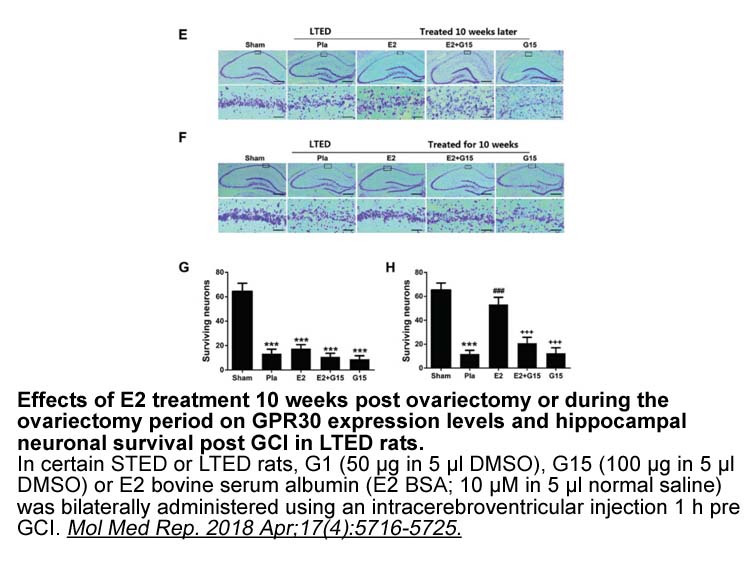
Conclusions In summary, aromatase mRNA expression in the AT7867 receptor of A. leptorhynchus shows a similar distribution pattern as seen in other teleosts with expression detected in the forebrain and the pituitary gland. The lack of aromatase mRNA expression in the midbrain and hindbrain of A.
That increased longevity was not the exclusive
2024-08-15
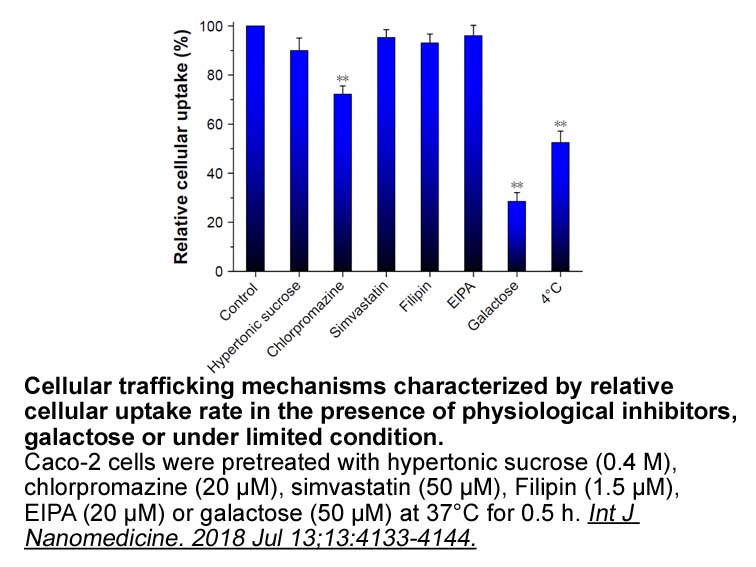
That increased longevity was not the exclusive result of blood pressure reduction. This was demonstrated by analysis of life-long, whole body deletion of AT1A receptors in normotensive mice. These animals exhibited a very significant increase in lifespan when compared to wild- type mice [159], [160]
The fact that Yoda can activate Piezo in the absence
2024-08-15
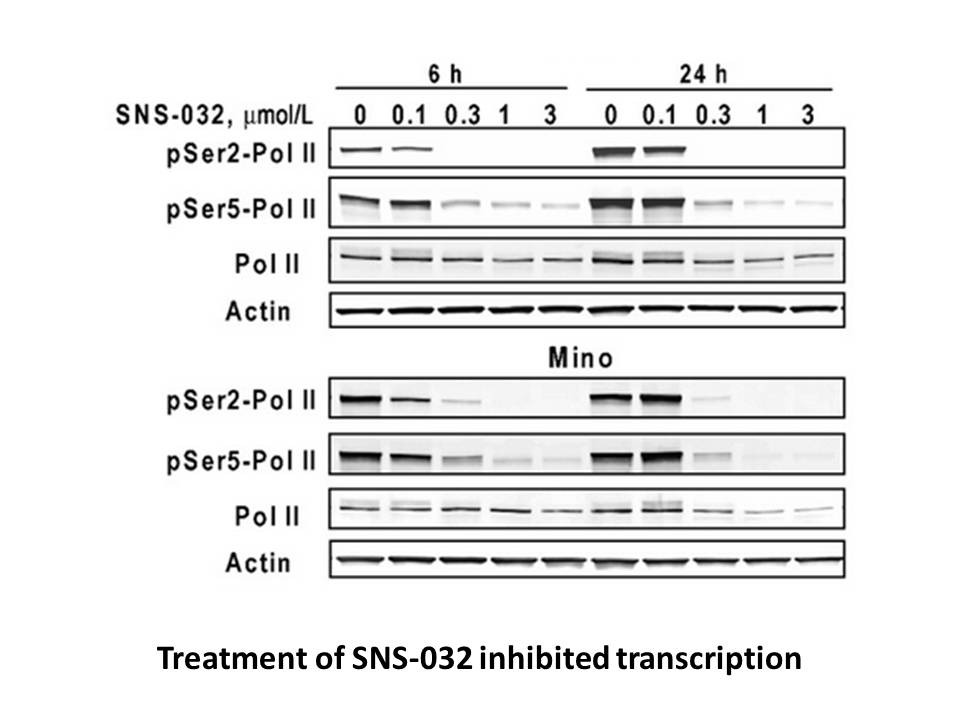
The fact that Yoda1 can activate Piezo1 in the absence of other cellular components other than a cell membrane [2], suggests that it may directly interact with and activate Piezo1. However, this does not preclude Yoda1 from interacting and activating non-Piezo channels, particularly in endothelial c
APN accounts for of total plasma proteins in humans this
2024-08-15
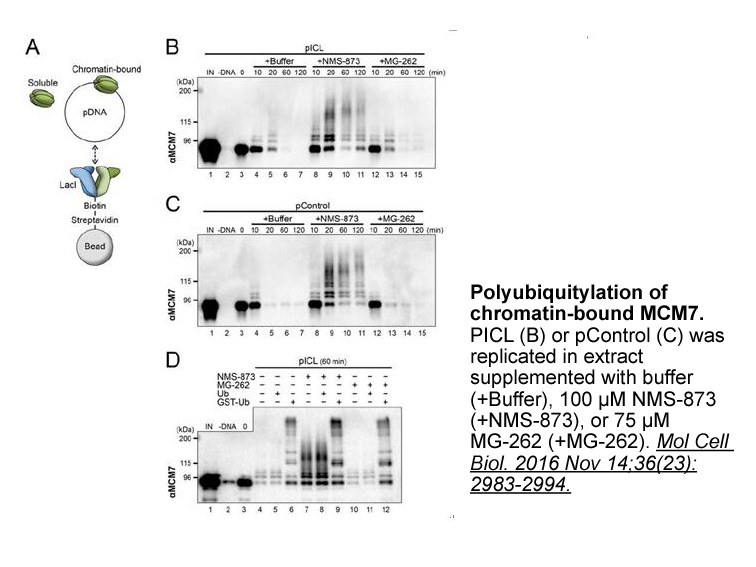
APN accounts for 0.01% of total plasma proteins in humans; this proportion increases with age to a small extent (Barb et al., 2007). Normal APN levels in the circulation range 3–30μg/mL (Aprahamian and Sam, 2011). APN levels are lower in men than women due to the presence of testosterone and even mo
SC 560 We aim to evaluate the AK in regulating
2024-08-14
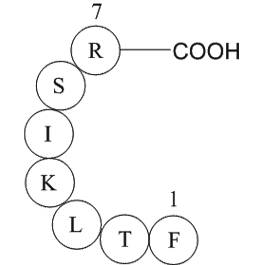
We aim to evaluate the AK in regulating adenosine signaling in the retina. It was reported that the degree of SC 560 injury directly depends on expression levels of AK and the resulting extracellular levels of adenosine (Boison, 2006). Indeed, transgenic mice overexpressing AK are highly susceptible
Adenosine is a ubiquitous homeostatic purine
2024-08-14
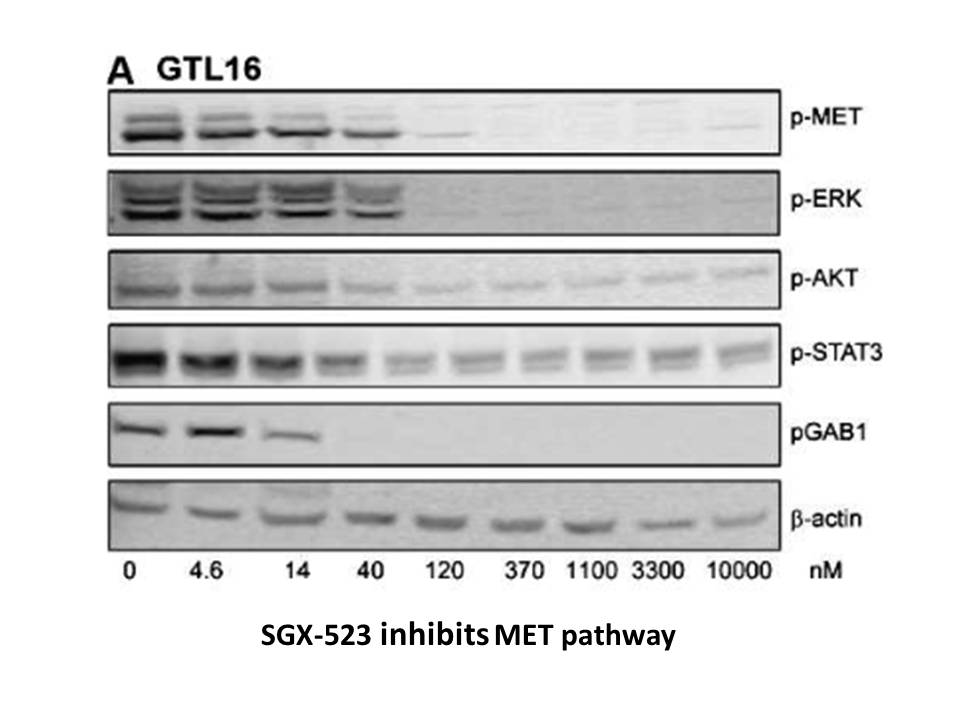
Adenosine is a ubiquitous homeostatic purine nucleoside that accumulates extracellularly in response to metabolic stresses such as hypoxia and inflammation. Activation of either G protein-coupled adenosine receptors (ARs; A1R, A2AR, A2BR, and A3R) by extracellular adenosine can modulate cell signali
Introduction Adenosine kinase ADK ATP
2024-08-14
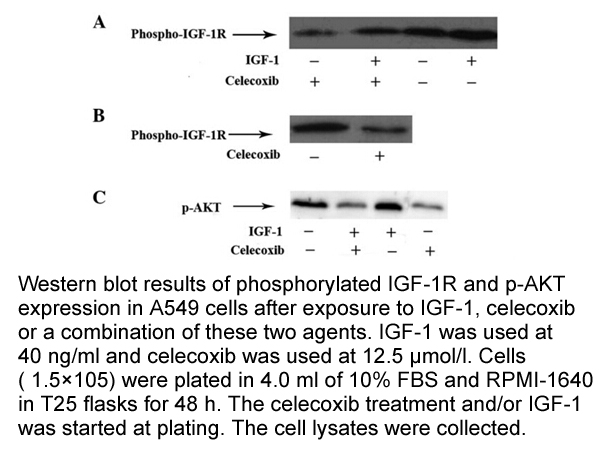
Introduction Adenosine kinase (ADK; ATP: adenosine 5′-phosphotransferase, EC 2.7.1.20), is isolated from yeast cells by Kornberg for the first time in 1951 [1]. ADK belongs to the ribokinase protein family and is one of the most abundant nucleoside kinases in mammalian tissues [2,3]. As the first i
Taken together our results indicated
2024-08-14

Taken together, our results indicated that 5-LOX can be induced in mice by MPTP injection, and the 5-LOX inhibitor MK-886 reduced the death of dopaminergic neurons. MK-886 also reduced the LTB4 ws3 induced by MPTP. The development of the novel 5-LOX or FLAP inhibitors may provide a new therapeutic
8606 records 136/574 page Previous Next First page 上5页 136137138139140 下5页 Last page